
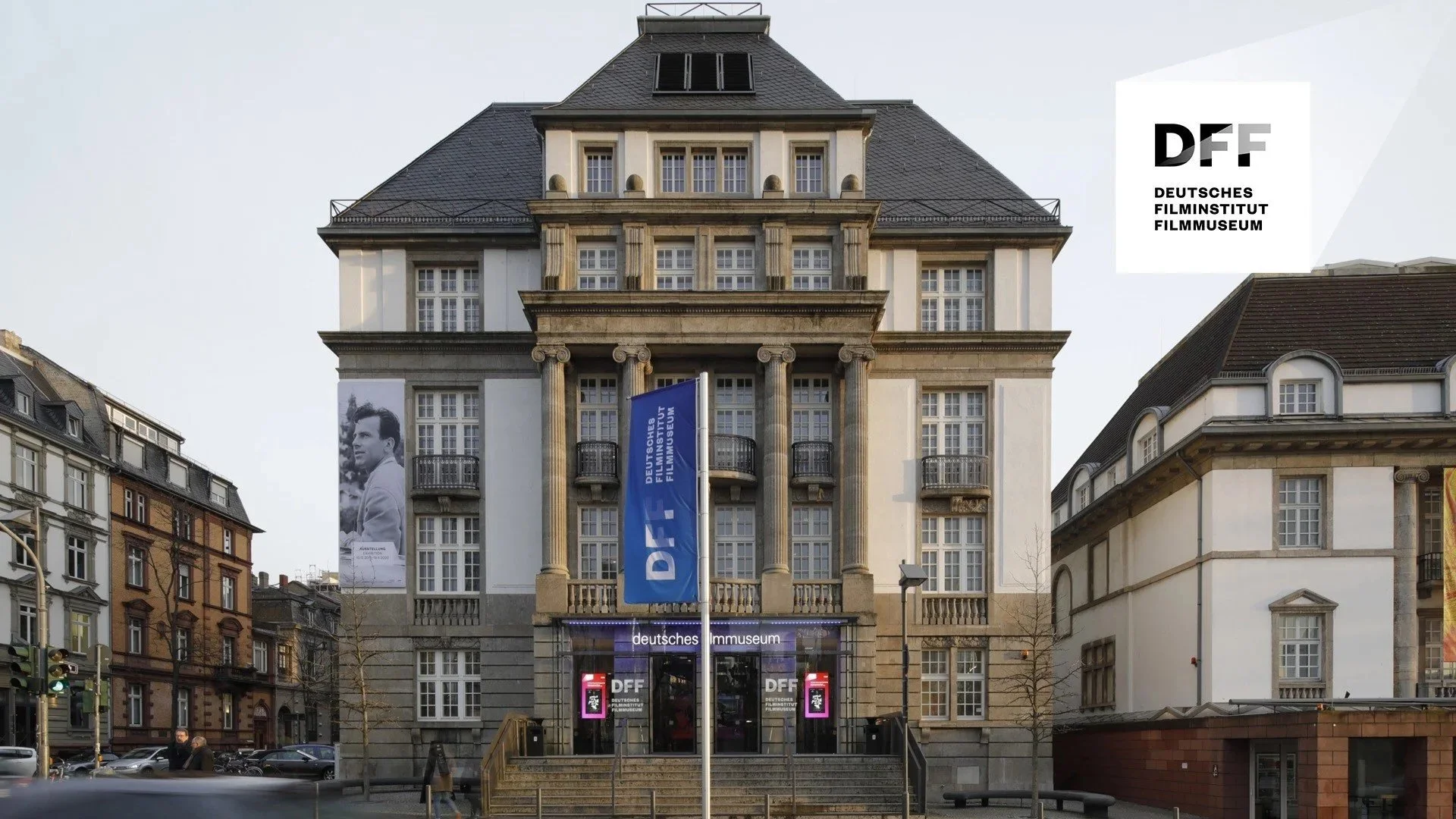
DFF - Deutsches Filminstitut & Filmmuseum
Director & CEO
2018-2024
Frankfurt am Main, Germany
Mission Statement
The DFF – Deutsches Filminstitut & Filmmuseum is a leading, forward-thinking international film heritage organization. We are a pioneer in preserving and sharing film culture with a worldwide public, uniquely combining museum, cinema, archives and collections, festivals, digital platforms, research and digitization projects and numerous educational programs. Based in the diverse and dynamic city of Frankfurt, Germany, we actively work toward intercultural understanding, cultivating connections to institutions and initiatives in the film arts and sciences around the world. We link the history, materiality and meaning of film to the digital future.
Promoting film culture, in close collaboration with our audiences, is our mission. As a team of more than 200, we bring our professional knowledge and infinite passion for film to all that we do. For us, everything is film, and film is everything.
Responsibilities and Accomplishments:
Has led a major national and internationally reknowned film cultural heritage institution, serving as both Director and Vorstand (CEO) of the Verein (Association) for nearly seven years, overseeing a €10-12 million euro annual budget (+60% of which was raised through grant applications and earned income), a dynamic team of 200 (130 permanent staff positions and 70+ freelancers) and seven separate public or research accessible facilities for exhibitions, collections management, digital innovation, research and publishing, film education, touring and outreach programs, film festivals and screening programs. Frequent public speaker, media spokesperson, conference presenter and panelist, and has served often as a film festival Jury member.
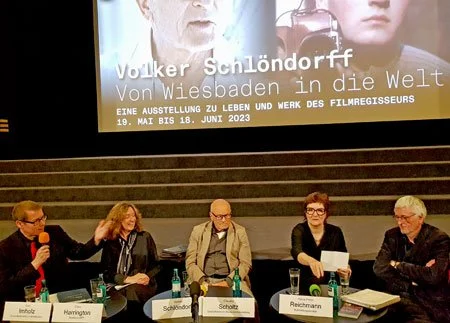
Innovation: Directed the dramatic transformation and recent modernization of the organization, including the establishment of the new DFF Archive and Study Center and its research facility, the Fassbinder Center, and the acquisition of several major film and artifact collections (including those of Rainer Werner Fassbinder and Volker Schlöndorff, the globally unique pre-cinema collection of Werner Nekes, and the analog print collections of Paramount Germany and Studio Canal).
Obtained a four-year digital innovation grant to create an in-gallery and online collecting tool, “Constellation,” in cooperation with the Australian Centre for the Moving Image (acmi). Additionally, secured funding for a three-year transformation process to progressively update the decade-old Permanent Exhibition, with new conceptual frameworks which balance in-gallery digital offerings and authentic analog experiences, new perspectives and diverse voices, environmental sustainability and audience relevance.
Facilitiated the institution’s leadership roles on a national and European level in digital innovation for the heritage and culture sector, through large international platform and aggregator projects and planning tasks. Successful programs established in film digitization, online digital projects, and the dissemination of pioneering formats for film education. Created new initiatives for audience and staff development, including cinema program revitalization and audience expansion. Obtained new six-year grant funding for staff positions in diversity, equity and inculsion, and for outreach and community engagment activities. Expanded curriculum dissemination for aesthetic film education programs from pre-school through Masters Degree levels, and accomplished the international expansion of the DFF’s Masters Degree partnership with Goethe University with fellow institutions in Nigeria. Partnered with Goethe University and the University of Southern California to explore the establishment of a regional Digital Repository. Established two new film festivals, “Southern Lights: Cinema of the Global South” and “Filmerbe Digital: Film Preservation Weekend,” and has premiered new restorations at Cannes Classics, Il Cinema Ritrovato in Bologna, and Berlin, Pordenone, Munich, Bonn International Silent and Budapest Classic film festivals.
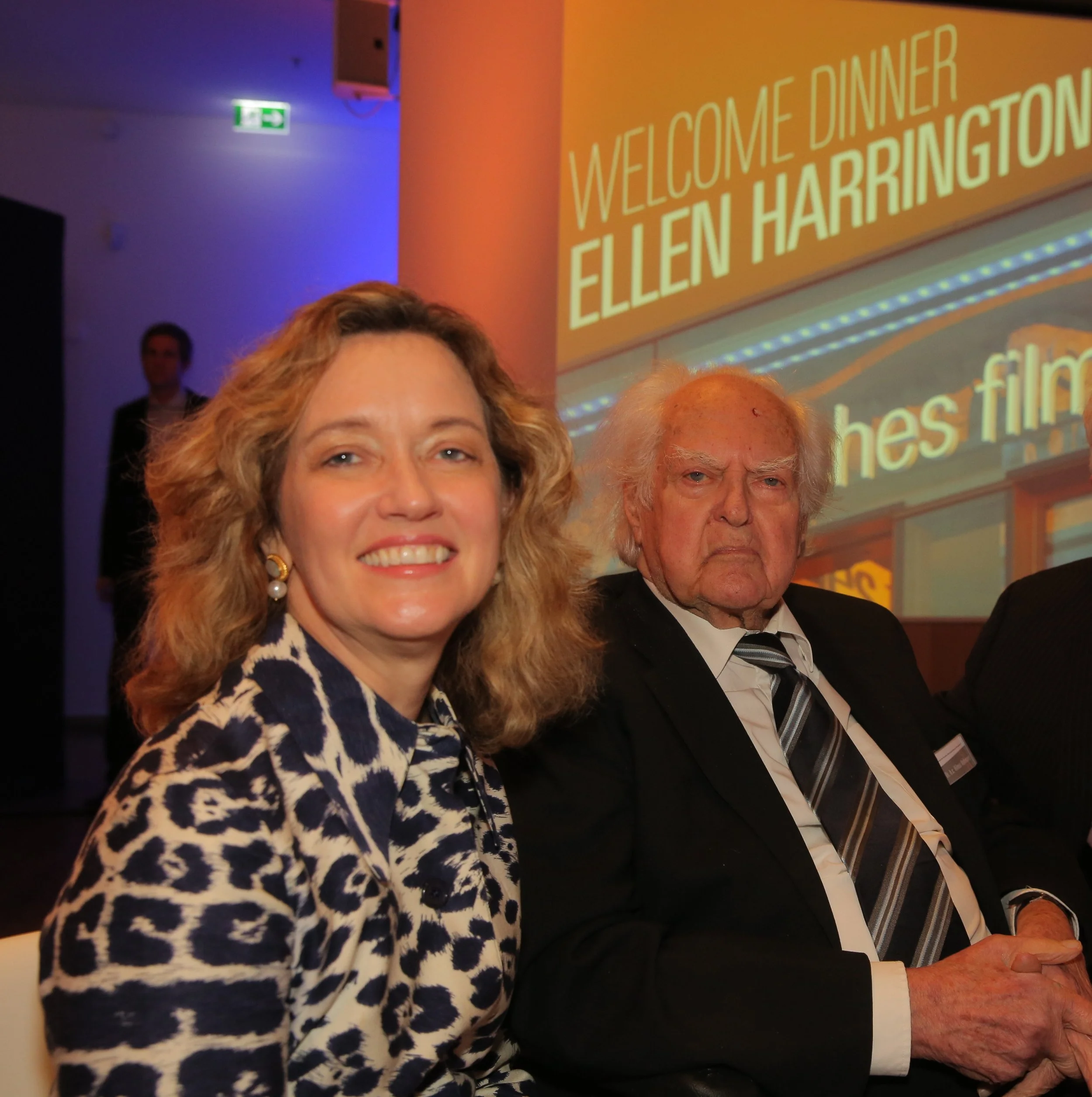
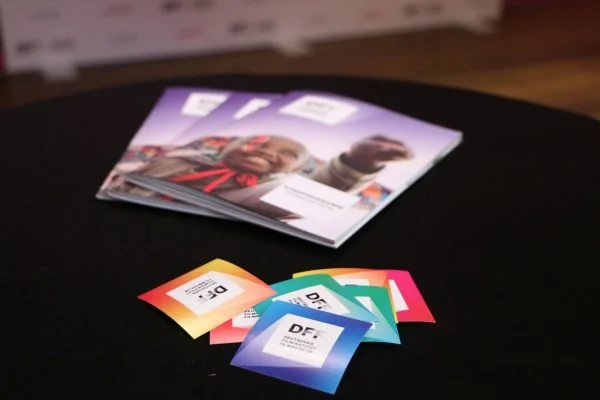
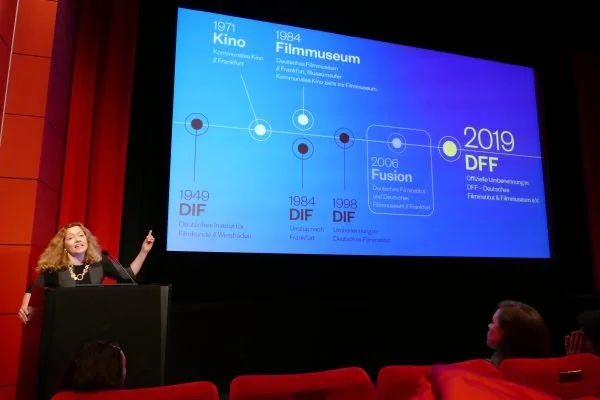
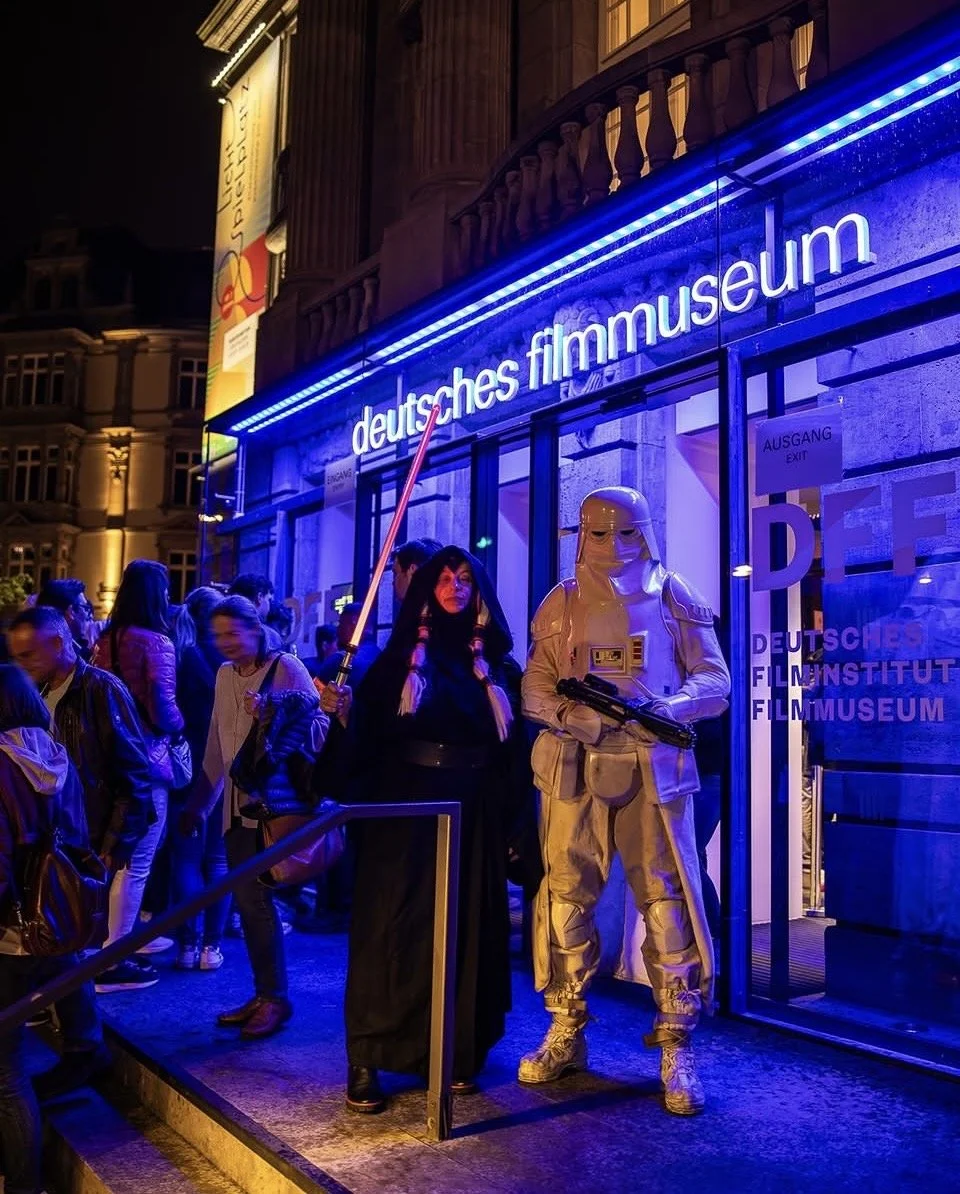
Fiscal and Intitutional Management: Successfully executed the organization’s 70th anniversary celebrations in 2019 and its institutional rebranding, new website and CI, which encompassed the final synthesis of several historical institutions into an integrated whole, with a new name and holistic identity, along with necessary legal re-incorporation. After having been recruited from the U.S. to Germany in 2017, have subsequently managed the institution’s nation-specific and complex funding and budgeting structures, which depend equally on institutional support from City, State and Federal governments, and active fundraising, as well as earned income. Created a new Strategic Development department, which facilitates the acquisition of half of DFF’s project and related staffing costs via grant applications (average: €5-6 million euros per year) to regional, national and international funding bodies, including public and private foundations. Revamped all internal personnel policies and contracting procedures, for enhanced communication and professionalization of employment environment. Established a new Visitor Services department for improved guest experience. Modernized and digitzed all business operations (implemented electronic ticketing systems, income report generation, accounting, software and IT improvements) for improved efficiency, cost savings, and the necessary pivot to mobile working during the Pandemic. Then balanced the post-COVID return to both in-office and in-museum operations for both employees and the public.
Crisis Management: Planned and allocated €10-12 million euro annual budget, while actively navigating the enhanced financial pressures from two years of Pandemic-related closing of facilities, and its’ impacts on staff and public access. Leveraged national and regional emergency Covid funding, and managed to retain 100% of staff positions, acquired deficit relief funds to balance the 2020, 2021 and 2022 budgets. Gained investment funding for in-cinema and mobile film projection equipment, and other necessary improvements to the facilities. Continued successful crisis management through the more recent years, with such challenges as the severe German energy crisis and spike in prices, the Ukranian war impacts, and severe inflation in the German economy. Most recently drastic arts funding cuts have impacted the institution and the sector in general. Against this backdrop, also attracted a new Board Chairman, a new head of the DFF Patrons Circle fundraising group, and a new gastronomy partner, who invested substantially in a redesign of the café, kitchen facilities and Filmmuseum foyer.
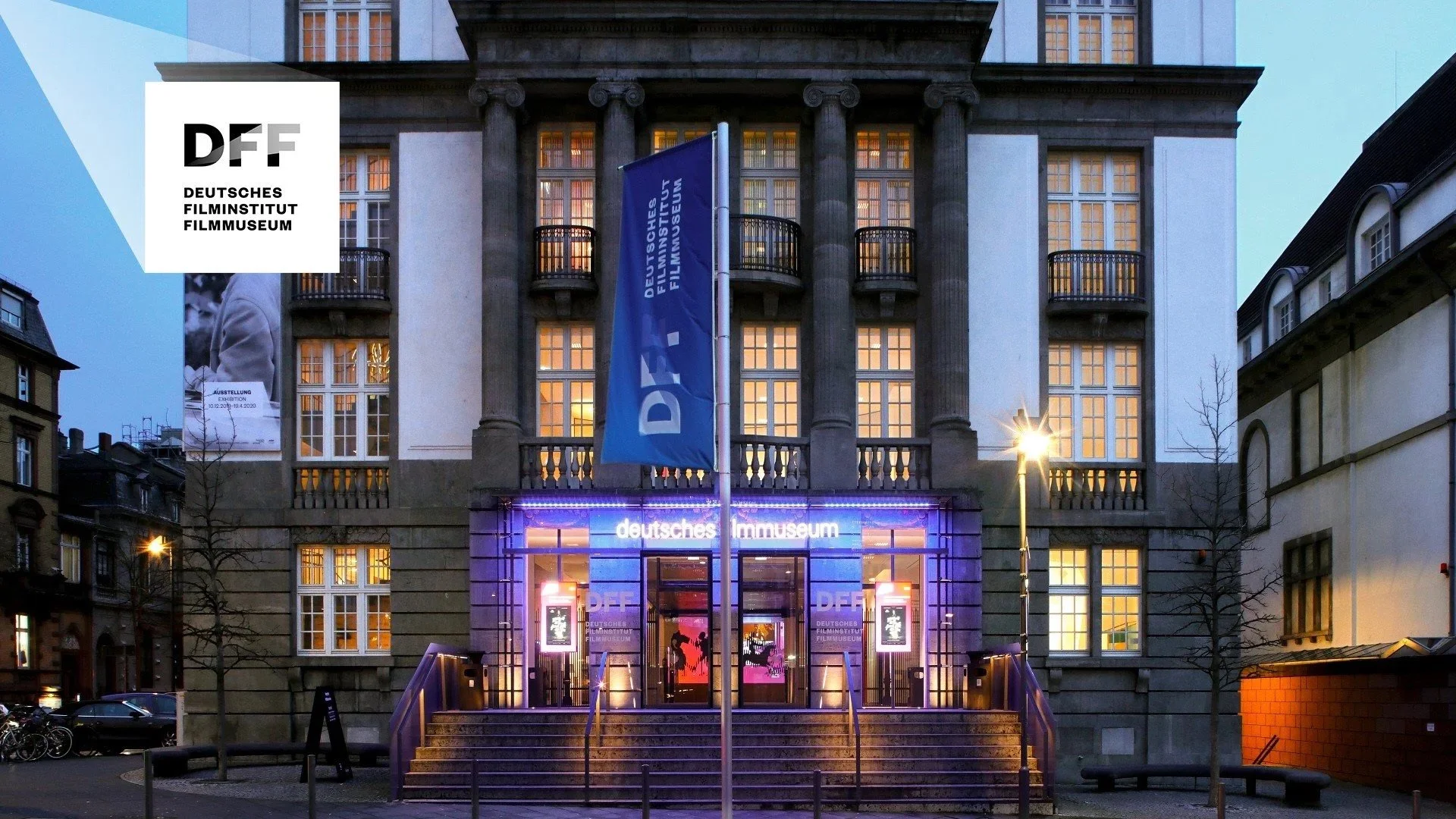
Facility Improvements: Substantial facility investment and improvements have been completed in all DFF locations, including the aforementioned establishment of a new Collections and Study center, the renovation of the Filmmuseum foyer and public spaces, and activation of underused areas with digital and interactive exhibits. Completed overdue repairs, and updated cinema projection equipment with new 4K digital laser projector, obtained new office funiture (with sponsorship), and other enhancements. A new roof café for the Filmmuseum entered the design and private fundraising process; a proposal for the construction of a new state-of-the-art Film Archive facility with digital restoration workflows is the subject of a completed Feasibility Study, supported by institutional funders at the Kulturamt of Stadt Wiesbaden, the historic home of the DFF. Have obtained funding for a three-year renovation and modernization of the DFF’s Permanent Exhibition Galleries, with a focus on accessibility, sustainability, relevance to a contemporary audience and the inclusion of diverse voices.