Developed and implimented a fresh and flexible temporary exhibition planning strategy and curatorial team, focusing on diversifying audiences and establishing a coherent, marketable strategy for content presentation. Categories include a balance of conceptual and collections-based topics, filmmaker partnerships, immersive and projection-based experiences, and touring exhibition rotations with international partners. Selected exhibitions include:
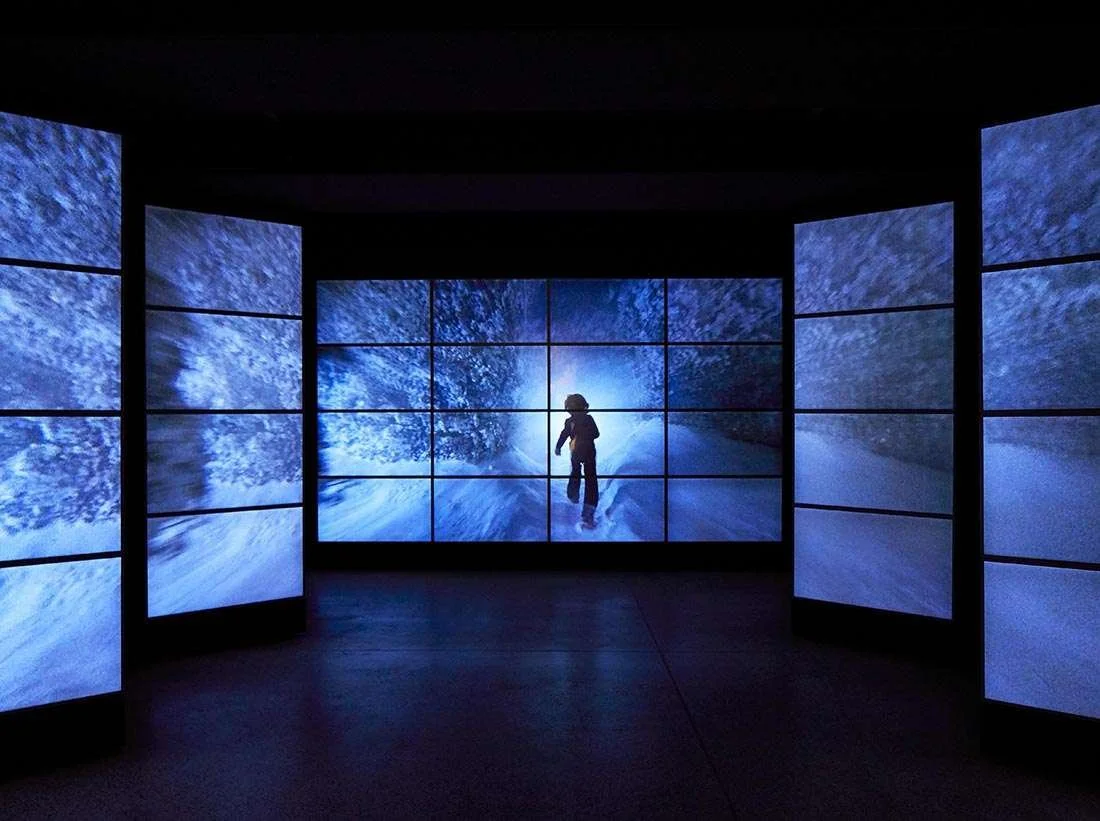
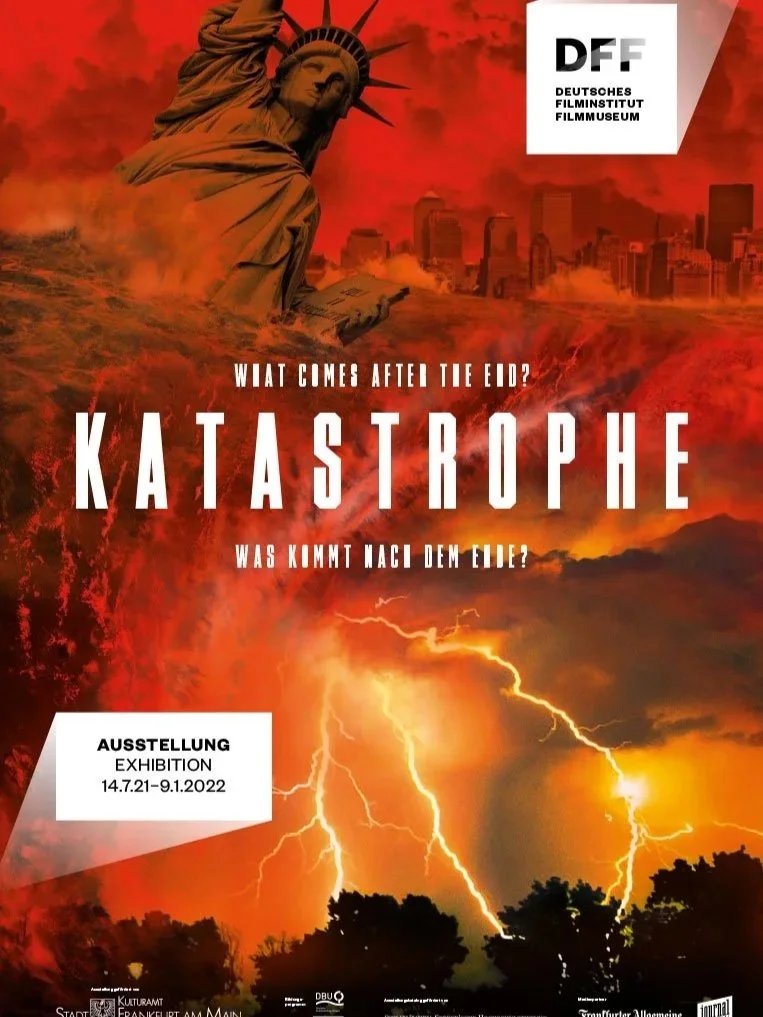
- “Catastrophe, of What Comes After the End?” focused on the appeal of natural disasters in narrative film, and the impacts of climate change themes on storytelling (presented with the Senckenberg Natural History Museum)
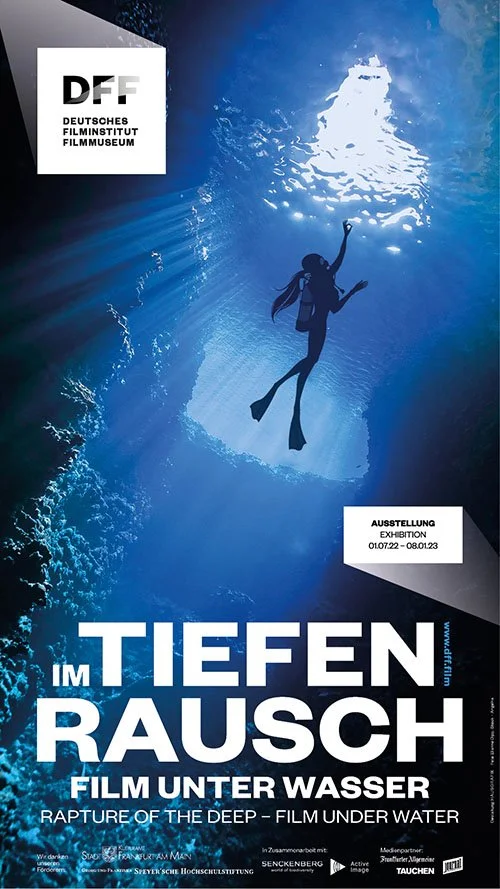
- “Film Under Water,” an immersive aquatic projection environment
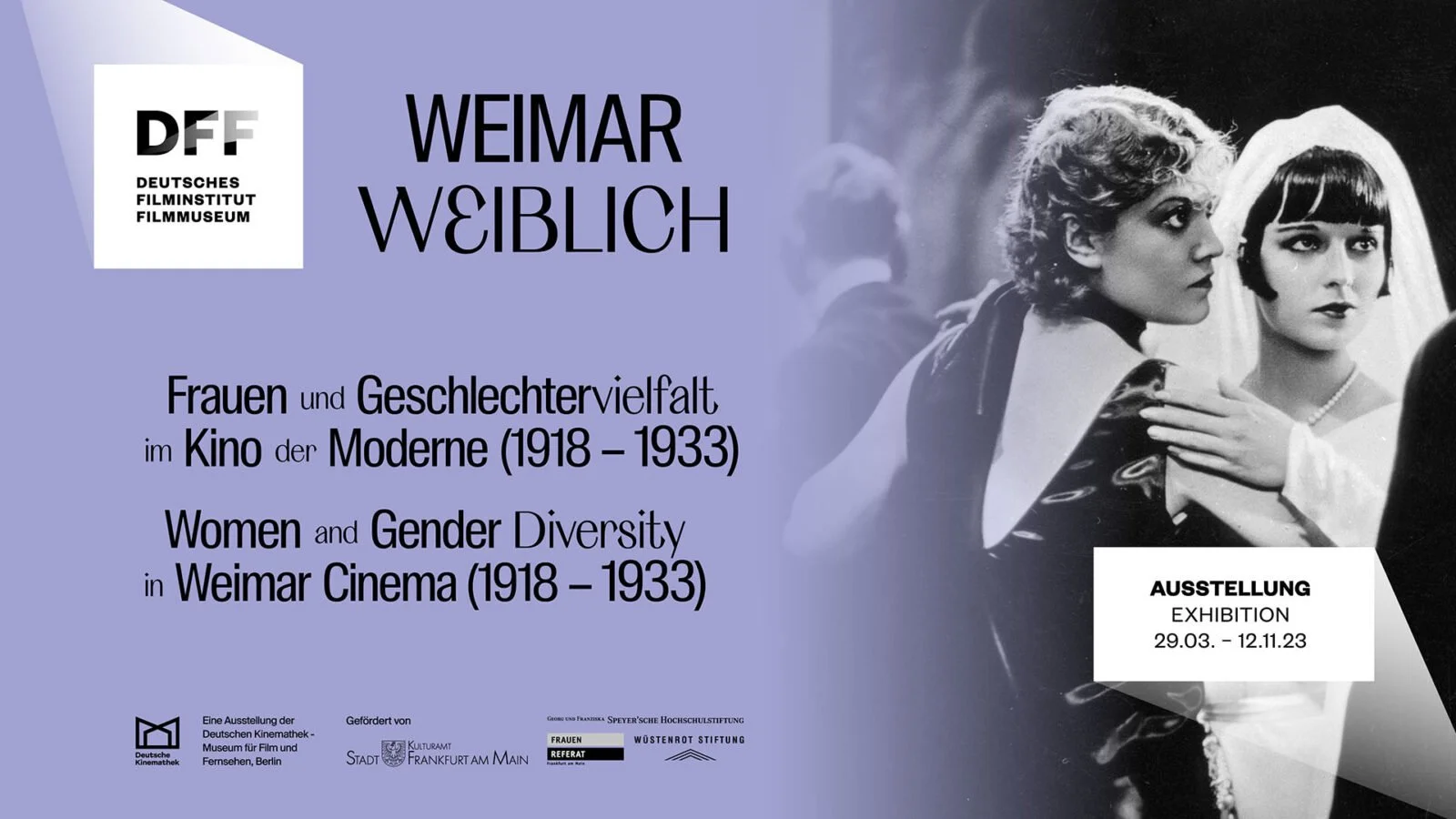
- “Weimar Women,” highlighting extensive rediscoveries of female, queer and gender-diverse filmmakers from the ‘20s and ‘30s
- “Lichtspielplatz,” a creative experiential environment which introduced film aesthetics to young children
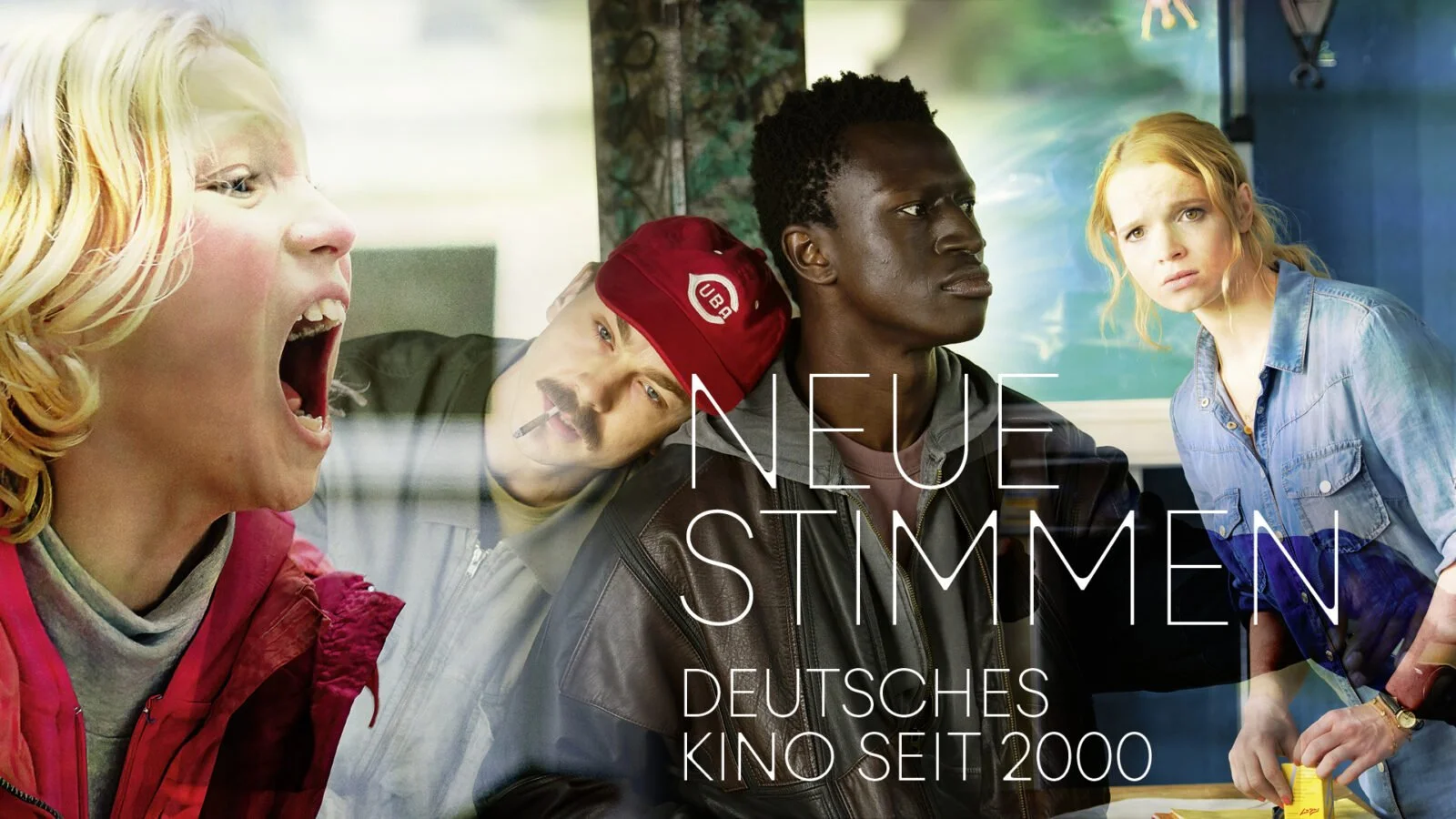
- “New Voices in German Film,” exploring the impacts of digital filmmaking and identity politics, in the context of profound generational increases in German filmmakers and audiences with migration backgrounds
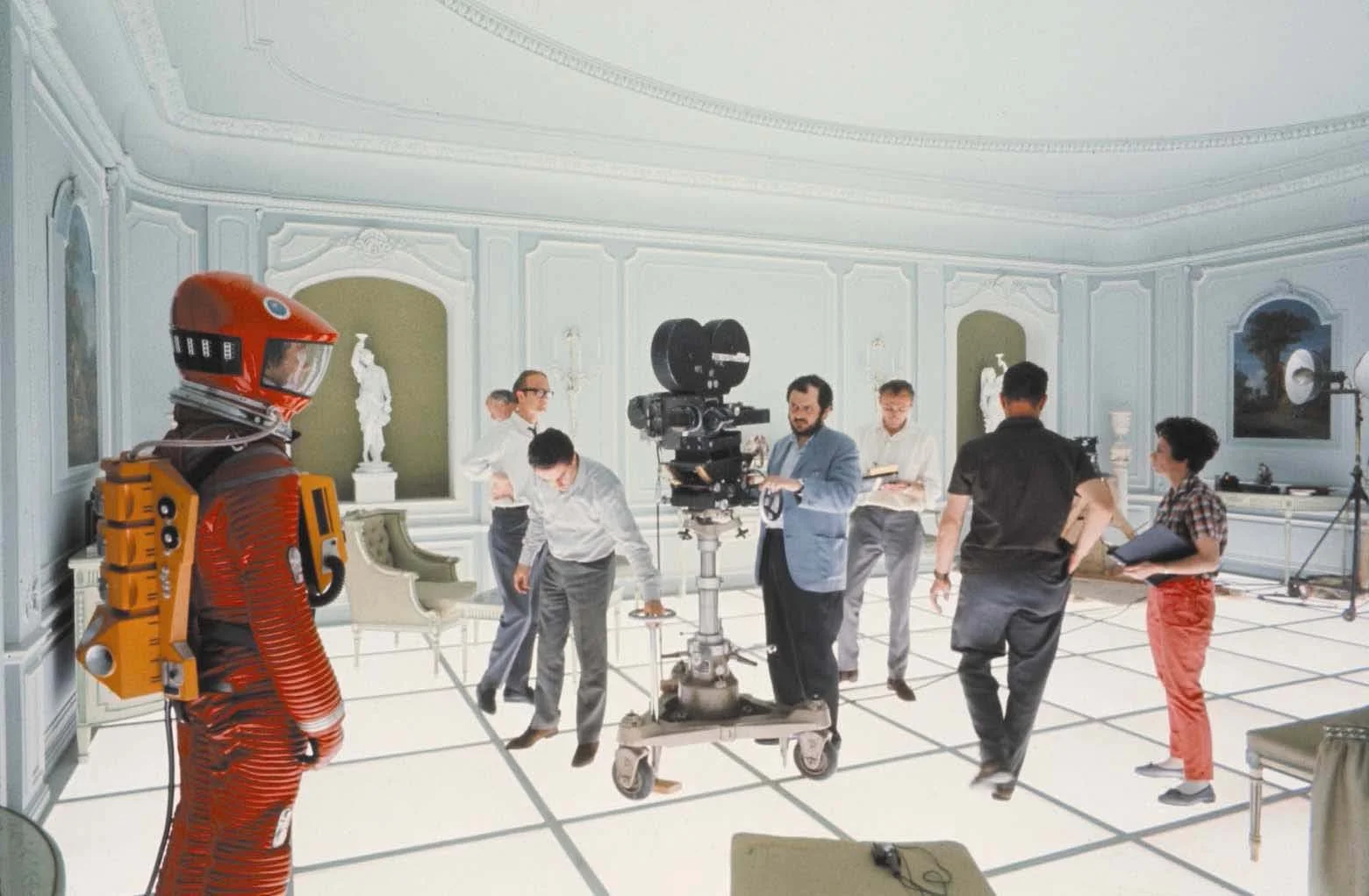
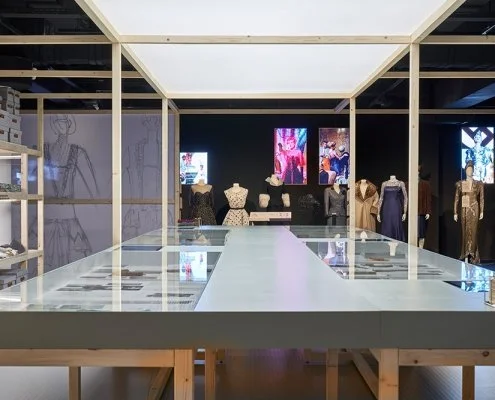
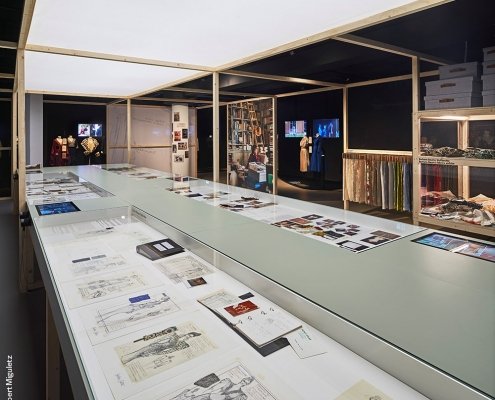
Expanded DFF’s touring exhibition portfolio and established new institutional partnerships; secured additional tour venues for the traveling “Stanley Kubrick” exhibition incling CCCB Barcelona, Design Museum London, Istanbul Cinema Museum and the Museum of the Moving Image, New York. Developed the 15,000 square foot collections-based exhibition “Methode Rainer Werner Fassbinder” and “Wim Wenders” multi-mediainstallation for the Bundeskunsthalle, Bonn (https://kunstundfilm.de/2025/11/wim-wenders-schau/); toured “Close/Up: The Film Costumes of Barbara Baum” to the Deutsche Kinematek in Berlin.
DFF Exhibitions:
2018-2024
TOURING EXHIBITIONS